 Skip to content



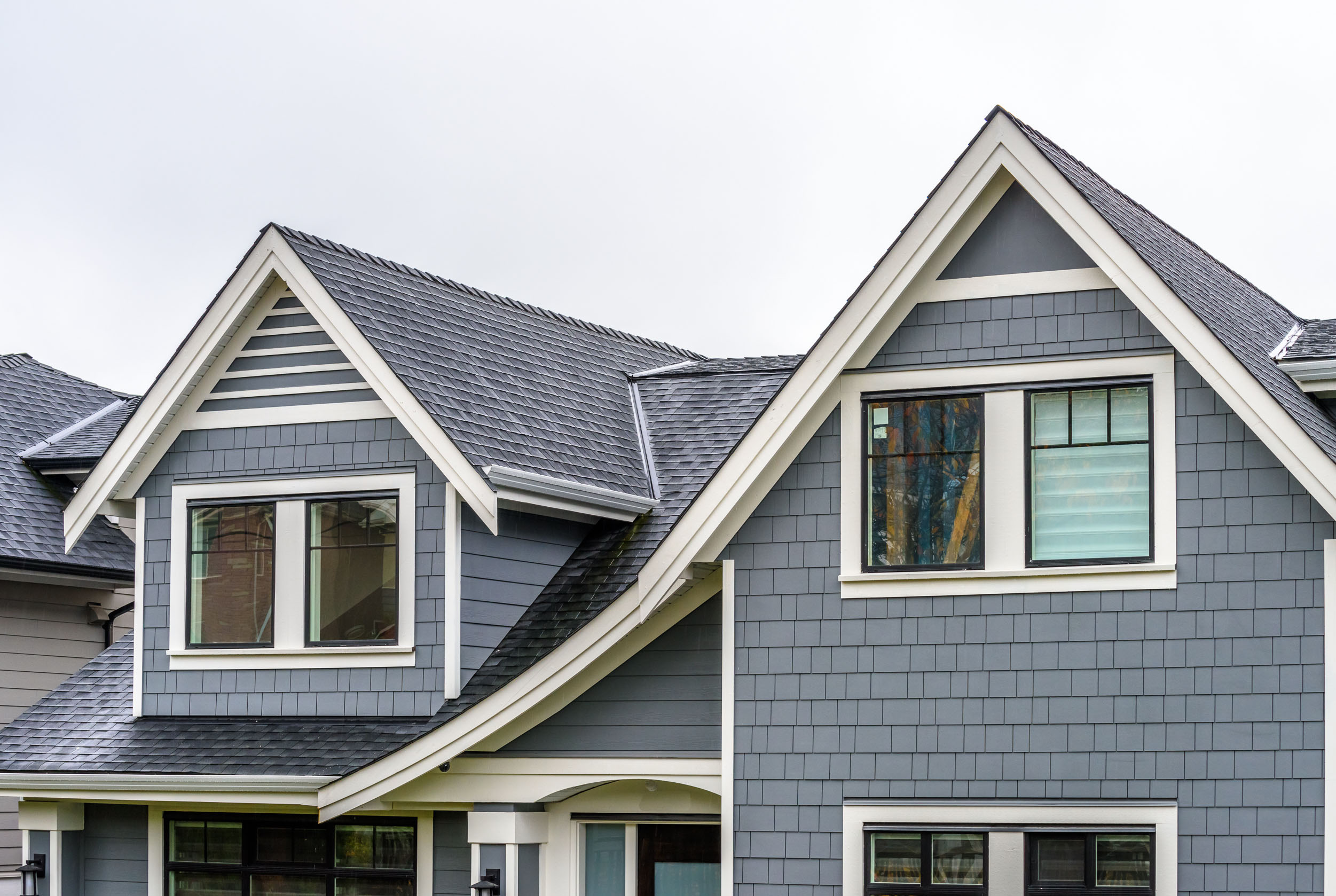
Choosing the perfect siding color for your home can feel like a big decision, but it’s one of the most effective ways to improve curb appeal and express your personal style. The right siding color can highlight your home’s architecture, complement the surrounding environment, and even influence resale value. This guide will walk you through the main factors to consider so you can make a confident and informed choice.
Assessing Your Home’s Architecture
Your home’s architectural style is the first place to start when selecting siding. Traditional homes, such as Colonials or Victorians, typically look their best in soft, classic shades like off-white, soft yellow, or earthy tones. These colors enhance the home’s charm and help preserve its timeless appeal. For modern homes, bolder siding colors such as charcoal gray, navy blue, or even black can create a sleek and contemporary look. When selecting a color, it’s essential to respect the home’s architectural integrity while reflecting your personal preferences.
Beyond style, siding can be used strategically to highlight or soften specific architectural features. For example, painting protruding elements a darker shade adds depth, while lighter shades can make smaller houses appear more spacious. Thoughtfully chosen siding colors can draw attention to unique details such as window frames, cornices, or gables, creating a balanced and visually appealing exterior. The goal is to enhance your home’s architecture without overwhelming it, allowing the siding to work in harmony with the structure and surroundings.
Coordinating Windows, Trim, and Roofing
Siding works best when paired with windows, trim, and roofing, so it’s important to consider all elements together. Complementary colors create a cohesive, polished look, while contrasting shades can emphasize architectural details. For instance, a deep-colored siding paired with lighter trim can highlight window frames, shutters, or eaves, giving your home dimension and character. Lighting also plays a role—siding can appear different depending on sunlight or shade, so it’s important to observe potential color choices at various times of day.
Your roof color should also inform your siding selection. Warm-toned roofs pair nicely with similar warm siding colors, while cooler roofs can be matched with gray or blue shades for a harmonious effect. Conversely, intentional contrasts between roof and siding can make a home stand out and feel more dynamic. By carefully coordinating siding with trim, windows, and roofing, you can create a home exterior that looks thoughtfully designed, visually balanced, and inviting from every angle.
Considering the Surrounding Environment
The surrounding landscape should guide your siding color choice to ensure your home blends naturally with its environment. Soft greens, browns, and neutral shades complement lush lawns, trees, or garden spaces, while brighter or bolder colors can make your home stand out without feeling out of place. Consider the backdrop of your home, the colors of neighboring homes, and any hardscaping or natural features. Choosing siding that harmonizes with these elements creates a cohesive and attractive exterior that enhances curb appeal.
Climate and sunlight are additional factors to consider. Light-colored siding reflects heat, keeping homes cooler in sunny areas, while darker shades can provide warmth in cooler climates. Some siding colors are more resistant to fading from UV rays, while others may show dirt or weathering more easily. Taking into account both environmental conditions and landscaping will help you choose siding that not only looks great but maintains its beauty over time, minimizing maintenance and maximizing long-term satisfaction.
Choosing a Color Palette
Creating a cohesive color palette starts with a primary siding color and one or more accent shades for trim, shutters, or doors. Neutral siding colors such as white, off-white, gray, and light shades of blue and brown are versatile and widely appealing, allowing homeowners to experiment with accent colors without clashing. According to Fixr, around 65% of homeowners now favor neutral siding colors, which reflects a growing preference for classic, timeless exteriors. Selecting complementary accent colors ensures your home has visual interest without feeling overwhelming or disjointed.
Accents also allow homeowners to express personality and creativity. A bold-colored door or shutters can make a statement, while keeping the main siding neutral preserves a balanced and elegant look. The key is to think about the overall effect and how the colors interact with architectural elements, landscaping, and neighboring homes. By taking a holistic approach, you can create a color palette that feels both stylish and harmonious, enhancing the curb appeal of your home for years to come.
Testing Samples and Using Digital Tools
Testing siding colors in real-world conditions is essential. Painting small patches of your chosen color on different sides of the house allows you to see how sunlight, shade, and seasonal changes affect the appearance. Observing the color at various times of day ensures you’re happy with how it looks in all lighting conditions. Testing also helps ensure the chosen siding color complements your roof, trim, and landscaping before committing to a full installation.
Digital tools have made experimenting with siding colors easier than ever. Many apps allow you to upload a photo of your home and try out multiple color combinations virtually. These tools let you quickly compare options, visualize accent color choices, and see how the siding interacts with architectural features. While virtual testing shouldn’t replace physical samples, it’s a helpful step to narrow down options and build confidence in your final choice. Combining digital tools with sample testing gives homeowners a realistic preview of the finished result.
Considering Material and Finish
The type of siding material can influence how a color appears and how long it lasts. Vinyl, wood, and fiber cement all absorb and reflect light differently, affecting the final look. Textured siding can cast shadows that subtly alter perception, while smooth siding provides a cleaner, more uniform appearance. Choosing the right combination of material and color ensures the final exterior matches your vision and performs well over time.
Finish and texture also affect durability and maintenance. Glossy finishes make colors appear vibrant but can show imperfections, whereas matte finishes create a softer, more muted appearance. Lighter siding colors often require less cleaning and resist fading better than darker shades. Selecting high-quality, pre-colored siding or paint with UV protection enhances longevity. Considering both aesthetic appeal and practical durability ensures your home’s siding remains beautiful and functional for years.
Balancing Style, Trends, and Resale Value
While personal style is important, siding color choices can impact resale value. Neutral colors such as whites, grays, and soft blues tend to appeal to a wider audience, making your home more marketable. Trendy or bold colors may feel exciting now but could deter future buyers if tastes change. Incorporating bold shades as accents rather than the main color is a smart way to express individuality without compromising long-term appeal.
Blending modern trends with classic elements creates a home exterior that feels both current and timeless. For example, pairing a classic white siding with contemporary accent colors can add vibrancy while preserving a traditional feel. Thoughtful color choices balance personality, marketability, and longevity, ensuring your home looks great now and continues to impress for years to come. By weighing trends, personal style, and resale considerations, homeowners can make a siding choice that satisfies both aesthetic and practical goals.
Choosing the right siding color involves more than picking a favorite hue—it requires attention to architecture, environment, materials, and personal taste. By carefully considering these factors, homeowners can select a siding color that enhances their home’s beauty, longevity, and market value. For professional advice and expert siding installation, contact Great Plains Exteriors today to bring your vision to life.